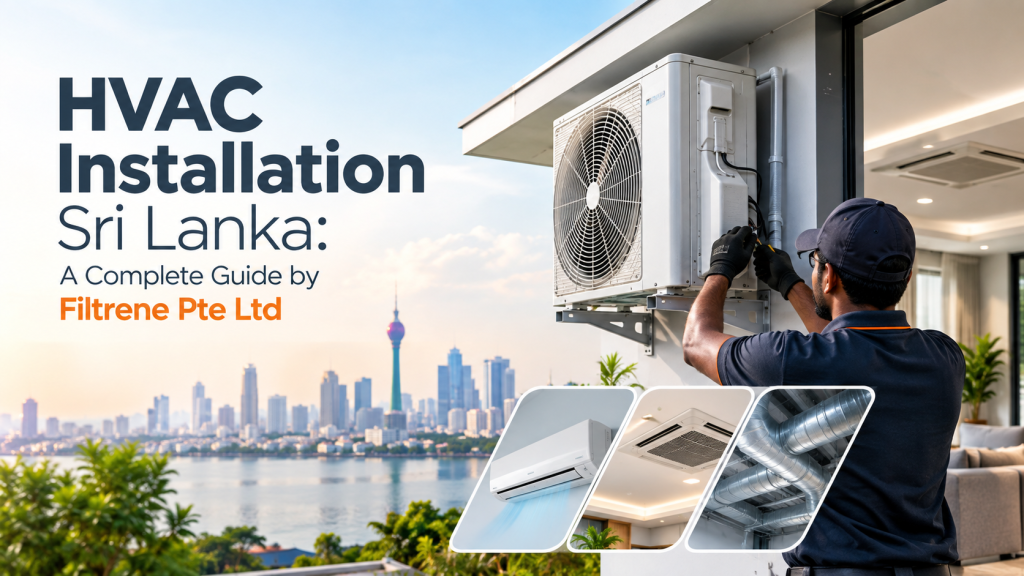
Introduction: What Is an HVAC System
An HVAC system stands for heating, ventilation, and air conditioning. It is the technology responsible for controlling indoor temperature, air quality, and airflow inside homes, offices, and commercial spaces. In a tropical climate like Sri Lanka, a properly functioning HVAC system is not a luxury but a daily necessity for comfort and health.
Whether you own a house in Kandy or manage a business in Colombo, indoor comfort directly affects productivity, wellbeing, and even the lifespan of your building materials. A well designed HVAC setup keeps indoor air fresh, humidity levels balanced, and temperatures steady regardless of what is happening outside.
Why a Reliable Heating, Ventilation, and Cooling Setup Matters
Sri Lanka experiences high humidity and consistently warm temperatures throughout most of the year. Without a dependable cooling and ventilation system, indoor spaces can quickly become uncomfortable, humid, and prone to mold growth. This is especially true in commercial buildings where large numbers of people occupy a space for long hours.
A reliable system also protects sensitive equipment, documents, and inventory from heat and moisture damage. For homeowners, it means better sleep, healthier air for children and elderly family members, and lower stress during the hottest months. For business owners, it translates into happier employees, satisfied customers, and fewer costly repairs down the line.
Good ventilation is just as important as cooling. It removes stale air, reduces indoor pollutants, and brings in fresh air, which helps prevent respiratory issues and keeps everyone inside feeling more alert and comfortable.
Main Components of an HVAC System
Understanding the basic parts of an HVAC system helps homeowners and business owners make informed decisions when planning an installation or upgrade. The main components include:
- Compressor and condenser unit, which cools and circulates refrigerant
- Evaporator coil, which absorbs heat from indoor air
- Air handler and blower, which distribute conditioned air throughout the space
- Ductwork, which carries air to different rooms or zones
- Thermostat or control panel, which allows temperature and settings adjustment
- Ventilation fans and vents, which manage fresh air exchange
- Air filters, which trap dust, allergens, and other particles
Each of these parts works together to deliver consistent comfort. When one component is neglected or poorly maintained, the entire system can lose efficiency and reliability.
How to Choose the Right HVAC System
Selecting the right system requires looking at several factors together rather than focusing on price alone. The goal is to find a setup that matches your space and usage patterns while remaining cost effective over time.
Building Size and Layout
Larger homes and commercial buildings need higher capacity units or multiple zoned systems to cool every area evenly. A system that is too small will struggle constantly, while an oversized system wastes energy and can cause uneven cooling.
Local Climate Conditions
Sri Lanka’s warm and humid climate calls for systems with strong dehumidification capability alongside cooling power. Coastal areas may also require components that resist corrosion from salt air, while inland regions may prioritize consistent airflow across larger open spaces.
Energy Efficiency
Energy efficient units cost more upfront but reduce electricity bills significantly over the years. Look for systems with good efficiency ratings, as this directly affects long term running costs, particularly for businesses that operate cooling systems for extended hours daily.
Budget Considerations
Budget should account for both the initial purchase and installation cost as well as ongoing maintenance and energy use. Working with an experienced provider for HVAC Installation Sri Lanka ensures the system chosen fits your financial plan without compromising performance or durability.
The Importance of Regular Maintenance
Even the best HVAC system will lose performance over time without proper care. Dust buildup, worn filters, and refrigerant leaks are common issues that reduce efficiency and increase energy consumption if left unaddressed.
Scheduled Air Conditioning and Ventilation Maintenance helps catch small problems before they become expensive repairs. Routine checks typically include filter cleaning or replacement, coil inspection, duct cleaning, and testing of thermostats and controls. This keeps air quality high and prevents unexpected breakdowns during peak usage periods.
For business owners, regular maintenance also supports compliance with health and safety standards, since clean and well functioning ventilation directly impacts indoor air quality for employees and customers. Homeowners benefit from lower repair costs and longer equipment lifespan when maintenance is done consistently.
Conclusion: Investing in a Proper HVAC Setup
A well chosen and properly maintained HVAC system is an investment in comfort, health, and long term savings. From selecting the right components to scheduling ongoing maintenance, every step plays a role in how well your space performs throughout the year.
At Filtrene Pte Ltd, we understand the unique demands of Sri Lanka’s climate and are committed to helping homeowners and business owners find dependable heating, ventilation, and cooling solutions. Reach out to our team today to discuss your HVAC installation or maintenance needs and enjoy reliable indoor comfort all year round.